2026 Best Plant Extracts for Global Sourcing Needs?

Time:2026-08-21 Author:Sienna
0%

In recent years, the demand for plant extract has surged globally. Companies are increasingly recognizing the benefits of natural ingredients for health, beauty, and wellness. As consumers seek cleaner labels, plant extracts become essential in product formulations.

However, sourcing high-quality plant extracts can be challenging. Variability in crop yield, environmental factors, and extraction methods often lead to inconsistencies. Businesses must ensure reliability in their supply chains. The right partnerships and sourcing strategies are vital for success.

The year 2026 presents unique opportunities and challenges in the plant extract market. Businesses need to stay informed about emerging trends and innovations. Adapting to consumer preferences is crucial. Sourcing plant extracts not only requires expertise but also the ability to navigate a complex landscape.
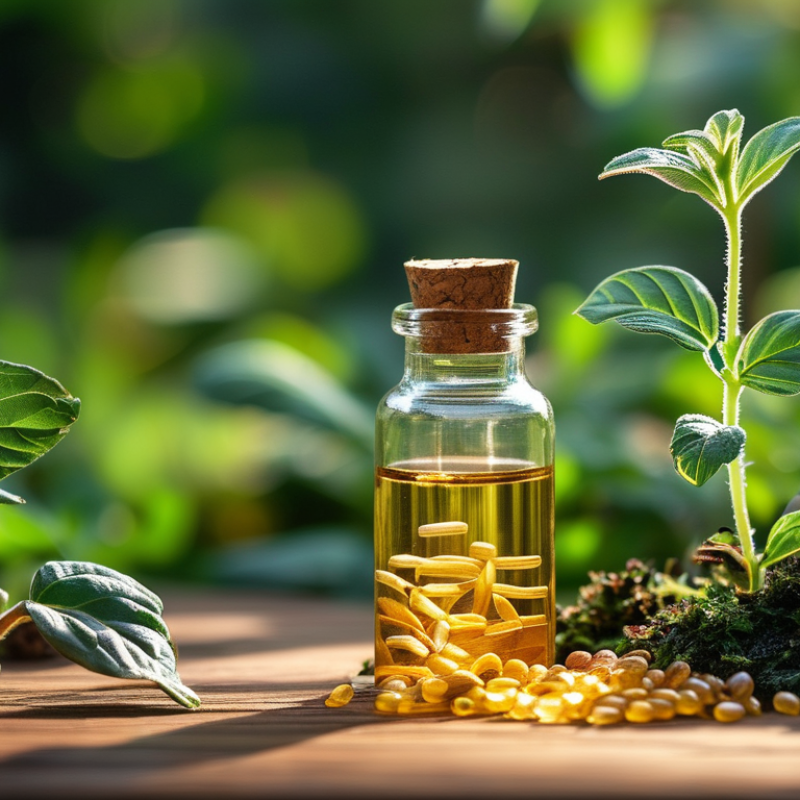
2026 Best Plant Extracts for Global Sourcing Needs?

Overview of Plant Extracts in Global Sourcing

The global sourcing of plant extracts is rapidly evolving. As demand grows for natural ingredients, businesses are adapting. Plant extracts play a vital role in various industries, including food and beverages, cosmetics, and pharmaceuticals. According to a recent market report, the plant extract market is projected to reach $70 billion by 2026, driven by the increasing preference for organic and natural products.

In this landscape, sourcing challenges persist. High-quality extraction methods are essential, yet many companies struggle with consistency. Fluctuations in raw material availability can impact supply chains. Regulatory compliance also poses hurdles, as varying international standards affect sourcing choices. Notably, the European Union's stringent regulations on herbal extracts require suppliers to meet specific safety and efficacy criteria. This complexity often prompts businesses to reassess their sourcing strategies.

Innovative extraction technologies are emerging to address these issues. For instance, supercritical CO2 extraction provides efficient, high-yield results while minimizing solvent residues. However, such technologies require substantial investment and expertise. Companies must weigh the benefits against costs, creating a potential barrier for smaller businesses. The landscape is dynamic, with continual advancement in extraction methods and changes in consumer preferences. These factors necessitate ongoing reflection and adaptation in global sourcing practices.

Key Factors Driving the Demand for Plant Extracts

The demand for plant extracts is influenced by various key factors. The rise in health consciousness among consumers has led to increased interest in natural and plant-based products. More people are opting for herbal supplements and natural ingredients over synthetic options. This shift is evident in the beauty and personal care industry, where plant extracts are celebrated for their efficacy and skin benefits.

Sustainability plays a crucial role as well. Companies are focusing on sourcing plant extracts responsibly. Consumers are concerned about environmental impact. They favor brands that prioritize ethical sourcing. The push for clean label products has prompted many companies to integrate more plant extracts into their offerings. This reflects a broader commitment to transparency and environmental protection.

Market trends show significant growth in demand for specific plant extracts. Antioxidant-rich extracts, like those from berries, are gaining popularity. They are well-regarded for their health benefits, particularly in boosting immunity. However, quality and sourcing remain challenging. Not all suppliers maintain the same standards. There is a need for refining sourcing methods to ensure authenticity and sustainability. This ongoing challenge can impact the overall growth of the market.

Top Regions for Sourcing Plant Extracts in 2026

As global sourcing for plant extracts evolves, specific regions are emerging as leaders in the industry. In 2026, Southeast Asia is expected to be at the forefront, particularly countries like Indonesia and Thailand. These regions have rich biodiversity and a long history of herbal medicine. This gives them a competitive edge for producing high-quality extracts. Their favorable climates allow for year-round cultivation of various plants.

Another region to watch is South America, especially Brazil. The Amazon Basin offers an abundance of unique flora, making it a prime sourcing destination. The potential for sustainable harvesting practices can enhance the credibility of sourcing efforts. However, ongoing deforestation and environmental issues must be addressed. It poses challenges to sourcing solutions that prioritize sustainability.

In Europe, countries like Germany and France are focusing on organic cultivation methods. Their emphasis on quality and regulatory standards is appealing to conscientious buyers. Yet, high production costs can limit accessibility. Finding a balance between quality and cost is crucial for effective sourcing. Being aware of these dynamics can help navigate the complex landscape of plant extracts in 2026.

2026 Best Plant Extracts for Global Sourcing Needs

Popular Plant Extracts for Various Industries

The demand for plant extracts continues to grow across various industries. These natural ingredients serve many purposes, from cosmetics to food and beverages. The eco-friendly aspect of plant extracts appeals to health-conscious consumers. Many companies are turning to botanical sources for their formulations.

In the cosmetic industry, herbal extracts are used for their skin-nourishing properties. Ingredients like aloe vera and chamomile soothe irritation and enhance skincare routines. Meanwhile, in the food sector, extracts such as green tea and turmeric are recognized for their health benefits. These natural additives boost flavor and nutrition seamlessly.

Despite their popularity, the sourcing of plant extracts requires careful consideration. Quality and sustainability are key factors. There's a risk of overharvesting and ethical concerns in sourcing. Companies must strive to maintain transparency in their sourcing practices. While plant extracts offer many advantages, they also come with challenges that must be addressed for a responsible and successful business model.

Future Trends and Innovations in Plant Extract Sourcing

As the demand for plant extracts continues to rise, future trends and innovations are shaping sourcing strategies. One notable trend is the move towards sustainable sourcing practices. This means looking for suppliers that prioritize eco-friendly methods. Consumers are becoming more conscious about the environmental impact of their purchases. The industry must adapt to meet these expectations.

Another important innovation is the use of technology in extraction processes. Modern methods like supercritical CO2 extraction offer higher purity and yield. Companies are investing in research and development to improve these techniques. However, challenges remain. Not all regions have access to the technology necessary for advanced extraction. Disparities in resources can limit the ability of smaller suppliers to compete. Striking a balance between innovation and accessibility is essential.

Transparency in the supply chain is also becoming critical. Customers want to know the origin of their plant extracts. Traceability can enhance trust and ensure quality. However, implementing robust tracking systems can be costly and complex. Companies must weigh the benefits of transparency against these challenges. Continuous evaluation of sourcing practices will drive improvements and create lasting relationships with suppliers.

FAQS

: What factors are increasing the demand for plant extracts?

: Health consciousness among consumers drives the interest in natural products. People prefer herbal supplements over synthetic options.

Why is sustainability important in the sourcing of plant extracts?

Consumers care about the environmental impact. They favor brands that practice ethical sourcing and transparency.

What trends are shaping the plant extract market?

There is significant growth in antioxidants from berries. They are recognized for boosting immunity and overall health.

What challenges do companies face in sourcing plant extracts?

Quality and sourcing issues arise. Not all suppliers meet the same standards, impacting market growth.

How is technology influencing plant extract extraction processes?

Modern methods, like supercritical CO2 extraction, improve purity and yield. Yet, not all regions can access this technology.

What role does transparency play in the plant extract supply chain?

Customers want clarity on the origin of extracts. Traceability ensures quality but can be costly and complex to implement.

What are companies doing to meet consumers' expectations?

They are focusing on sustainable sourcing practices. Adapting to consumer preferences is essential for market success.

Are there disparities in resources affecting suppliers?

Yes, smaller suppliers may struggle due to limited access to advanced extraction technology. This can hinder competition.

How should companies balance innovation and accessibility?

It's important to refine extraction methods while ensuring smaller suppliers can compete. Balancing both is crucial for growth.

What ongoing challenges exist in the plant extract market?

Companies need to continuously evaluate sourcing practices. This can lead to better quality and supplier relationships.

Conclusion

The article "2026 Best Plant Extracts for Global Sourcing Needs?" provides a comprehensive overview of the growing importance of plant extracts in the global market. It highlights key factors driving demand, such as increasing consumer interest in natural and organic products, as well as the rising focus on sustainability across various industries. The piece also identifies the top regions for sourcing plant extracts in 2026, showcasing areas that are leading in production and innovation.

Moreover, the article discusses popular plant extracts utilized across various industries, including cosmetics, food, and pharmaceuticals. It concludes by exploring future trends and innovations in plant extract sourcing, indicating a shift towards more efficient extraction methods and the integration of technology for enhanced quality and sustainability. Overall, the demand for plant extracts is poised to continue growing as industries adapt to consumer preferences for natural solutions.


Sienna

Sienna

Sienna is a skilled marketing professional with a deep expertise in our company’s core products and services. With a passion for innovation and detail, she plays a pivotal role in crafting insightful blog posts that not only highlight the unique features of our offerings but also provide valuable......